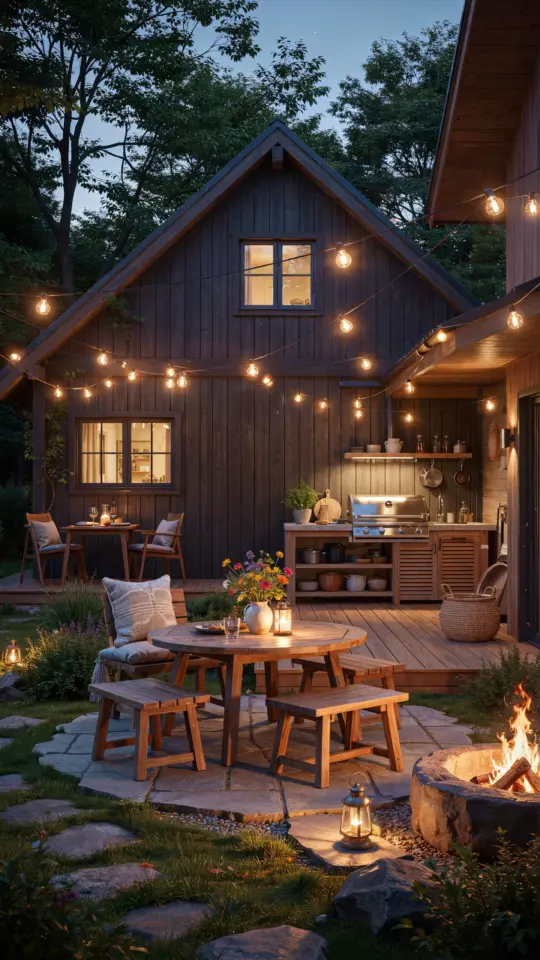
If you have a tiny yard or just a patio, you might feel limited by the space. But a small area can actually become your favorite spot with the right backyard garden layout. I am here to show you that you do not need acres of land to grow plants, relax, and enjoy the outdoors. This guide is written for absolute beginners, so if you have never touched a shovel before, you are in the right place. We will cover easy DIY landscaping tips that turn even a cramped corner into a low-maintenance paradise. Let us get started on a weekend project you will actually finish.
Planning Your Small Space Garden Layout
Before you buy any plants or dig a single hole, take a moment to look at your outdoor area. Grab a notebook and draw a rough map of your yard or balcony. Measure the length and width of the space, and note where the sun hits at different times of day. Most flowering vegetables and herbs need at least six hours of direct sun, so mark those sunny spots for your edibles. Shadier corners are perfect for ferns, hostas, or a seating nook.
Think about how you actually want to use the garden. Do you want a place to sip coffee, a small vegetable patch, or just a green view from your window? List your top three priorities. For a beginner, I recommend starting with one or two simple zones rather than trying to fill every inch at once. Keep your layout loose and flexible. You can always add more later.
Easy DIY Landscaping Ideas for Beginners
DIY landscaping does not have to mean heavy machinery or expensive materials. For a small space, simple hardscaping creates structure with very little effort. A gravel path, for example, costs almost nothing and looks tidy. Lay down landscape fabric first, then pour pea gravel. It stops weeds and drains water instantly. Another beginner-friendly trick is using raised beds. You can buy premade kits or build simple wooden frames. They lift your plants up, define the garden area, and make weeding much easier on your back.
- Use containers: Pots, troughs, and hanging baskets let you rearrange your layout anytime. Group them together for a cohesive look.
- Add a recycled pallet wall: Lean a wooden pallet against a fence, attach small pots or vertical planters, and grow herbs or succulents. It is cheap and takes ten minutes.
- Define edges with bricks or stones: You can often find free or cheap materials on Craigslist or Facebook Marketplace. A simple border makes a messy garden feel intentional.
Choosing Low-Maintenance Plants for Your Backyard Garden
The secret to a low-maintenance garden is picking plants that naturally thrive in your climate without constant fussing. Native plants are your best friends. They evolved to handle your local rain, soil, and pests, so they need less water and no fertilizer once established. In my own small garden, I rely on lavender, sedum, and ornamental grasses. They come back year after year, ask for nothing, and attract bees and butterflies.
For greenery that stays neat without pruning, look for dwarf or compact varieties. A dwarf evergreeen shrub like boxwood or dwarf juniper gives structure without taking over. If you want flowers, choose perennials over annuals. Perennials like echinacea, black-eyed Susan, or salvia bloom for weeks and return each spring. Annuals look pretty but require replanting every year, which is more work.
Creating Garden Zones in a Tiny Yard
Even the smallest garden can feel bigger when you divide it into distinct zones. A simple way to do this is with different flooring materials. For example, lay a square of deck tiles or paving stones for your seating area. Then install a wooden raised bed or a row of large pots for your planting zone. The change in texture tells your eyes that these are separate rooms.
You might create three zones: a relaxation spot with a chair or bench, a small vegetable bed or herb spiral, and a pathway that connects them. Keep the path narrow (around 2 feet wide)
#backyardgarden #smallspacelandscaping #diylandscaping #gardenlayout #lowmaintenancegarden
Leave a Comment