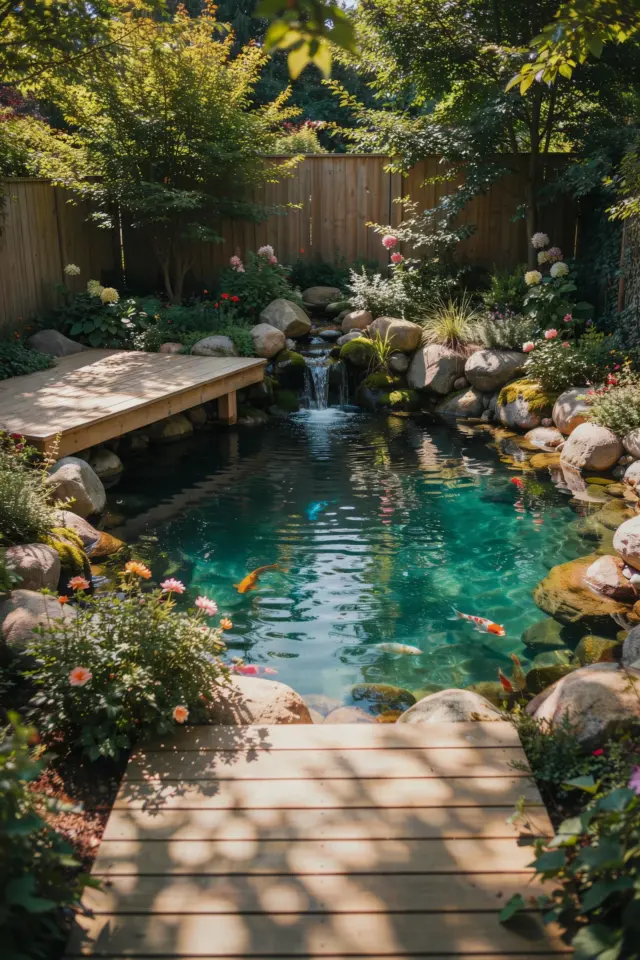
When summer heat hits, a backyard pool turns your ordinary yard into a personal escape. But if you are starting from scratch, the options can feel overwhelming. The good news is that Backyard Pool Designs don’t have to be complicated or expensive. Whether you have a tiny city lot or a sprawling suburban lawn, you can create a space that feels like a resort without the hotel price tag. This guide walks you through the basics, from choosing a pool size to adding finishing touches like lighting and plants.
Choosing the Right Pool Size for Your Yard
Size matters more than you might think. A pool that is too large will dominate your yard and eat up your budget for decking and furniture. For small urban yards, consider a plunge pool or a spool (a mix of spa and pool). These are typically 8 to 12 feet long and only 4 to 5 feet deep. They cool you off without requiring massive excavation.
For medium to large yards, a standard rectangular pool between 14 by 28 feet and 20 by 40 feet works well. But bigger is not always better. A long, narrow lap pool can fit along the side of a house and still give you room for a garden. Measure your available space on paper first, then mark it with spray paint in the grass. Walk around the outline to see how it feels.
- Small yard (under 5,000 sq ft): plunge pool, spool, or cocktail pool (10 x 16 ft max)
- Medium yard (5,000 – 10,000 sq ft): rectangular or kidney shape, 14 x 28 ft
- Large yard (over 10,000 sq ft): freeform or L-shaped pool, 20 x 40 ft or custom
Modern vs. Natural Pool Styles Which Fits Your Backyard?
Your pool style sets the whole mood. Modern pools feature clean lines, dark liners, and often a geometric shape. Think square steps, glass tile, and a tanning ledge. They look sharp and pair well with minimalist furniture. If your house is contemporary, a modern pool ties everything together.
Natural style pools, sometimes called lagoon pools, have freeform curves, rock waterfalls, and beach entries. They blend into gardens and feel more relaxed. You can add flagstone coping and native plants around the edges. The downside is that curved shapes cost more to build because the liner or gunite requires custom work. But if you want a slice of the tropics in your backyard, natural is the way.
For a beginner, the safest choice is a simple rectangle with a tanning ledge. It looks modern but can be softened with plants. You can always add a waterfall later.
Pairing Pool Shapes with Your Outdoor Layout
The shape of your pool should follow the shape of your yard, not the other way around. A long, narrow lot works best with a lap pool or a rectangular design placed along one side. That leaves the middle open for a seating area or a lawn for kids. A square or L-shaped lot gives you more freedom. You can place the pool in a corner and create zones for lounging and grilling.
Don’t forget about the house. If you have a sliding glass door facing the yard, put the pool so you can see it from inside. That visual connection makes the yard feel bigger. Avoid putting the pool right under large trees – leaves and roots cause headaches. Leave at least 6 feet of decking on every side for walking and chairs.
If you have a sloped yard, a raised pool with a retaining wall can create a dramatic effect. You would need a structural engineer for that, but it opens up options you might not have considered.
Decking, Patios, and Pathways Around the Pool
The surface around your pool is just as important as the water. Concrete is affordable and can be stamped to look like stone. Travertine stays cool underfoot and resists slipping, but it costs more. Wood decking looks warm but can get hot in direct sun; composite decking is a better bet for longevity and comfort.
You need at least a 3 foot wide path around the entire pool for maintenance. If you have the space, aim for 6 to 8 feet of decking on one side for lounge chairs. Keep the material consistent with your house style. A modern house with grey concrete decking looks clean. A cottage style pairs well with tumbled brick or flagstone.
Add a paved pathway from the house to the pool. It doesn’t have to be wide, but it prevents muddy feet. Solar path lights along the walkway guide you at night without extra wiring.
Simple Landscaping to Frame Your Pool
Plants around a pool do two things: they soften hard edges and create privacy. But choose carefully. Avoid plants that drop lots of leaves, flowers, or berries, because they will clog your pool filter. Good options include ornamental grasses, lavender, and small evergreens like dwarf boxwood. They stay low and don’t make a mess.
If you want taller plants for privacy, use bamboo in containers (invasive types in the ground can spread) or tall grasses like misc
#BackyardPoolDesigns #SummerOasis #PoolIdeas #OutdoorLiving #BackyardInspo
Leave a Comment