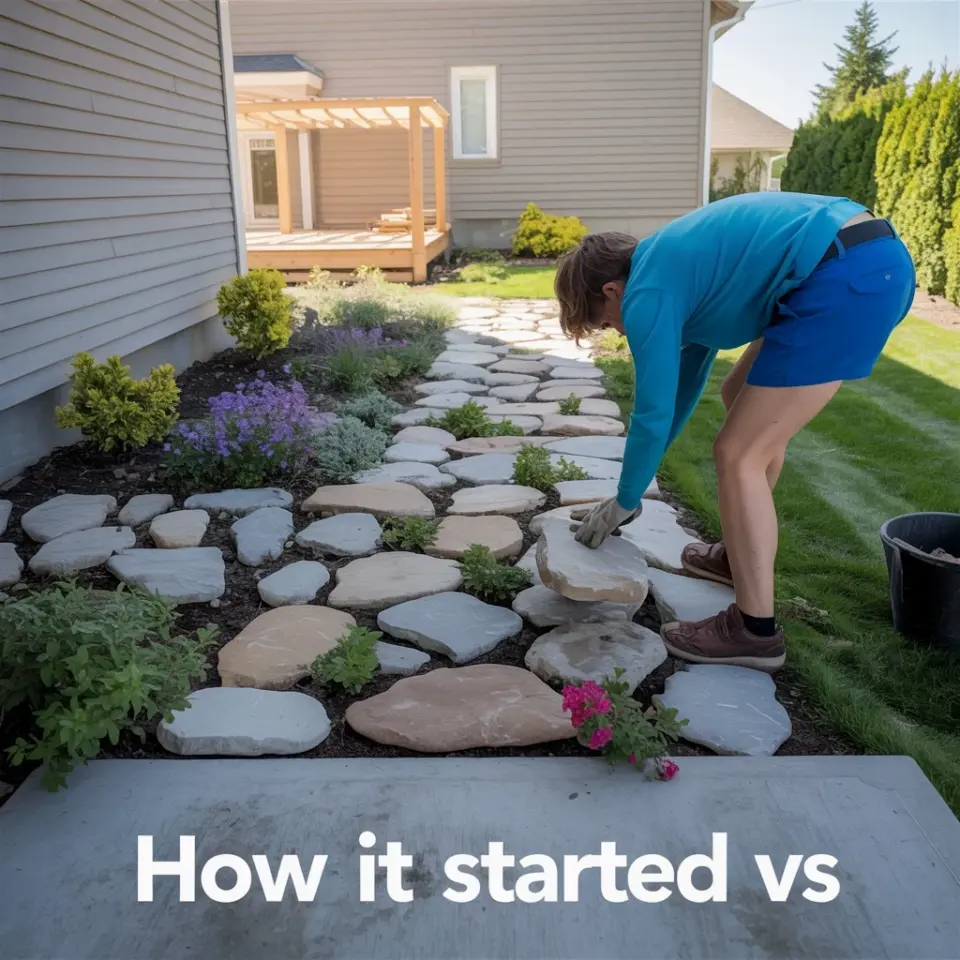
If you have ever walked through a garden and caught a sudden whiff of herbs rising from under your feet, you already know the magic of creeping thyme ground cover between pavers. This low growing perennial turns ordinary stepping stones into a living, fragrant carpet. It handles light foot traffic, shrugs off drought, and stays green with minimal watering. For anyone tired of fighting weeds in paver cracks or looking for a lawn alternative that actually smells good, creeping thyme is a practical, beautiful choice. This guide walks you through the real world steps, the honest pros and cons, and the planting details you need to make it work in your own garden path.
Why Choose Creeping Thyme for Your Paver Path
Creeping thyme works especially well between pavers because it stays low, spreads horizontally, and tolerates being stepped on. Unlike grass, it does not need mowing or heavy fertilization. Unlike moss, it thrives in full sun and dry conditions. When you brush against the leaves or walk on them, the scent releases, which makes every trip to the vegetable patch or front door a little more pleasant. It also flowers in late spring and summer, offering tiny blooms in pink, purple, or white that attract bees and butterflies. Just keep in mind that the flowers fade quickly under regular foot traffic, so locate the path where you want fragrance and texture rather than a continuous flower show.
How to Prepare the Soil for Creeping Thyme Between Pavers
Getting the soil right before you plant makes the difference between a patchy, struggling ground cover and a lush, dense mat. Creeping thyme demands well drained soil. If your paver base is compacted clay or holds water after rain, you need to improve drainage first. Clear out any weeds or old grass from the gaps. Then mix the existing soil with coarse sand or fine gravel in a ratio of about one part soil to one part sand. This creates a lean, gritty mix that mimics the thyme’s natural Mediterranean habitat. Avoid rich compost or heavy organic matter, which can lead to leggy growth and rot over wet winters.
A simple test: after you fill a paver gap with your soil mix, pour a cup of water on it. If the water drains within a few seconds, you are good. If it pools for more than a minute, add more sand or small gravel. The gaps should be at least half an inch deep and wide enough to hold roots. For standard pavers set on a sand base, you can scrape out the existing sand and replace it with your custom mix.
Step by Step Planting Guide for Creeping Thyme in Paver Gaps
Planting creeping thyme in between pavers is straightforward but requires patience. Here is a concrete sequence that works for most garden paths.
- Choose your plants. Buy small plugs or nursery starts rather than seeds. Seeds are slow to establish and easily washed away by rain or foot traffic. Plugs cost a bit more but give you a head start. Look for varieties like ‘Elfin’ or ‘Woolly Thyme’ that stay tight and low.
- Space them correctly. Place one plug every 8 to 12 inches along the paver gap. If the gap is narrow, just one plant every 10 inches works. For wider spaces between large flagstones, you can space them a bit farther apart.
- Dig a small hole. Use a trowel or your fingers to make a hole deep enough so the root ball sits level with the surface of the paver. Backfill with your sandy soil mix and gently press down.
- Water lightly after planting. Give each plant a small drink to settle the soil. Do not soak. Overwatering in the first week can cause stem rot if the drainage is not perfect.
- Mulch sparingly. A thin layer of small pebbles or decomposed granite around the base of each plug helps retain moisture without smothering the stems. Avoid bark mulch, which holds too much water and can encourage fungus.
Water every two to three days for the first two weeks, then taper off. After a month, your thyme should be sending out trailing stems. It may look sparse at first, but be patient. By the end of the first growing season, the gaps often fill in completely.
Creeping Thyme Care Tips for a Healthy, Walkable Ground Cover
Once established, creeping thyme requires very little attention, but a few small habits keep it looking full and resilient. Water only during prolonged dry spells. In most climates, natural rainfall is enough. Overwatering leads to yellowing leaves and weak growth. Trim back any stems that creep too far onto the pavers themselves, using scissors or hand pruners. This keeps the path looking tidy and prevents the thyme from covering the stone surfaces.
Fertilizer is rarely needed. If your soil is very poor, you can apply a very dilute liquid seaweed fertilizer once in early spring. That is usually plenty. Weeds may still pop up in the gaps, especially during the first year while the thyme is filling in. Pull them by hand as soon as you see them, before they get a foothold.
#CreepingThyme #GroundCover #Pavers #LawnAlternative #GardenPath
Leave a Comment