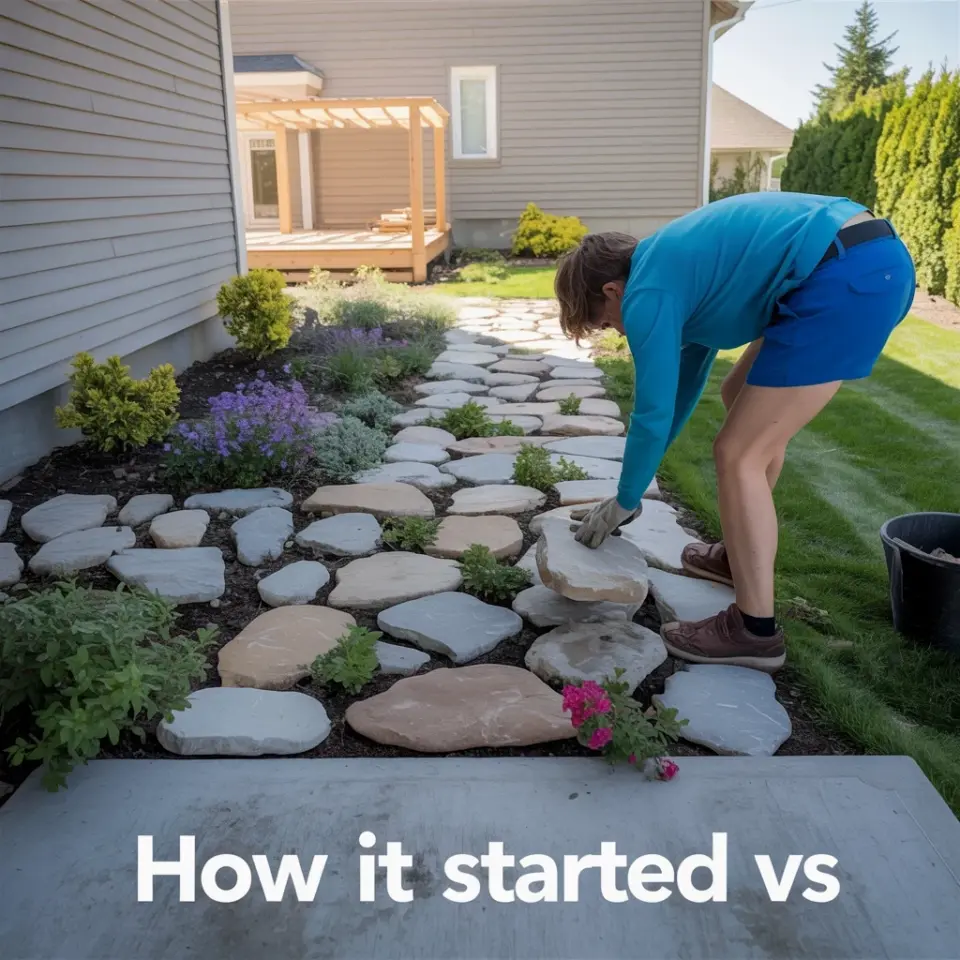
Two years ago, I ripped out a patchy strip of grass between my flagstone pavers and replaced it with creeping thyme ground cover. I wanted a soft, walkable surface that smelled good and didn’t need weekly mowing or endless watering. After a few failures with moss and sedum, creeping thyme turned out to be the lawn alternative that actually worked for my garden path. Here is what I learned along the way.
Why Creeping Thyme Works as a Lawn Alternative Between Pavers
Creeping thyme stays low, usually under three inches tall, so it won’t hide your pavers or create a tripping hazard. The tiny leaves form a dense mat that feels soft under bare feet and releases a gentle herby scent when you brush against it. Unlike grass, it stays green with very little water once established. In my dry summer climate, I water my thyme path maybe once a week, while the lawn next to it needs daily sprinkling. That alone sold me.
Another big reason I chose it: this plant handles foot traffic surprisingly well. Kids, dogs, and weekend garden strolls haven’t killed it. The stems are wiry enough to bounce back after being stepped on, though you do want to avoid heavy cart wheels or constant running in the same spot. For a relaxed garden path, it is ideal.
How to Prepare the Soil for Creeping Thyme Ground Cover
Creeping thyme hates wet feet. If your soil stays soggy, the roots rot fast. I made that mistake the first time and lost half my plugs. The second attempt, I improved drainage by mixing in coarse sand and a little gravel into the existing soil between my pavers. Thyme also prefers lean soil rich with organic matter but not heavy clay. A simple test: grab a handful of soil after rain. If it stays clumped and feels sticky, add sand.
For my path, I dug out about two inches of soil between each paver, mixed in a one to one ratio of garden soil and sharp sand, then tamped it lightly. This gave the roots a loose, fast-draining home. I also pulled every weed root I could see before planting. Weeds are the biggest headache later, so spending an afternoon on prep saved me hours of weeding the following season.
Planting Creeping Thyme Between Pavers: Step by Step
I used small plugs from a local nursery rather than seeds. Seeds take forever to fill in and get eaten by birds. Plugs cost a bit more, but they establish fast and give you visible progress in weeks. Here is the method that worked best for me:
- Space plugs 8 to 12 inches apart. I went with 10 inches. Closer spacing fills faster but costs more. Wider spacing saves money but leaves gaps for weeds for several months.
- Plant in spring or early fall. Summer heat stresses young transplants. I planted in April and got good root growth before the hot weather hit.
- Water thoroughly after planting. Keep the soil moist for the first three weeks, then gradually cut back. Overwatering in the beginning causes stem rot.
- Add a thin layer of gravel or decomposed granite between plugs. This suppresses weeds and helps drainage while the thyme spreads. I used pea gravel. It looks tidy and keeps the path stable.
Within two months, the plugs began to knit together. By the end of the first summer, my gaps were mostly covered. The second spring, the path looked fully established, thick and green.
Watering and Maintenance Tips for a Healthy Creeping Thyme Path
Once established, creeping thyme is drought tolerant. I water deeply but infrequently, maybe every seven to ten days unless we have a heat wave. Shallow sprinkling encourages surface roots that dry out fast. A good soak every week is much better. In winter, I cut watering completely unless there is an extended dry spell. Thyme goes semi dormant in cold weather and needs very little.
Maintenance is minimal. I trim the edges twice a year with hand shears to keep it from spilling too far onto the pavers. Some people use a string trimmer, but I prefer scissors for precision. In early spring, I remove any dead leaves or winter debris. That is about it. No mowing, no fertilizing, no pesticides. Creeping thyme naturally repels many pests and smells so strong that deer tend to leave it alone.
Pros and Cons of Creeping Thyme Ground Cover
I will be honest: creeping thyme is not perfect. The biggest downside is that it does not tolerate heavy, constant traffic. If you use your path as a main walkway to the front door with deliveries and daily footfall, thyme will thin out and get patchy. It is better for secondary garden paths or stepping stone areas. Also, it can struggle in full shade. My path gets at least six hours of sun, and that is critical. In deep shade, the stems get leggy and the flowers are sparse.
On the plus side, the flowers are gorgeous. In late spring and early summer, my path
#creepingthyme #groundcover #lawnalternative #gardenpath #diypaver
Leave a Comment