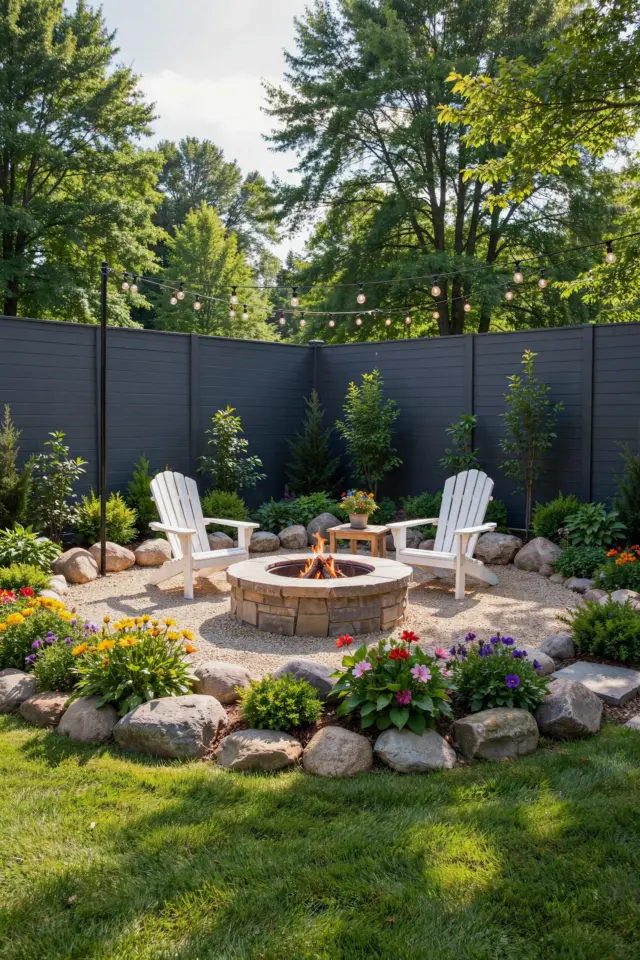
If you’ve been scrolling through Pinterest lately, you’ve probably noticed that garden path designs are having a serious moment this year. And honestly, it makes sense. After spending two years nesting at home, people are finally investing in their backyards as true living spaces. A well-placed walkway does more than just get you from point A to point B. It creates a sense of arrival, frames your flower beds, and even helps with drainage during those heavy spring rains. I’ve been testing a few different styles in my own garden, and I want to share what’s actually working right now, especially if you’re thinking about tackling this project yourself this season.
Planning a garden walkway that works for your backyard
Before you buy a single paver, take a weekend to walk your yard after a rain. Notice where water pools and where the ground stays dry. That’s your blueprint. A good garden walkway should follow the natural flow of your landscape, not fight it. I made the mistake of laying a straight concrete path in my first house, and it looked like a runway. These days, a gentle curve that mirrors your flower beds feels much more organic.
One tip that saved me time: use a garden hose to outline your path on the ground. Move it around until you like the shape. Then walk it a few times to make sure the width feels comfortable. For a main path, aim for at least three feet wide. For a secondary path through a cutting garden, two feet is plenty.
Best materials for a backyard landscaping path this season
This year’s trend leans heavily toward permeable materials. Why? Because we’re all getting more frequent heavy rainstorms, and solid concrete just sends water into your neighbor’s yard. Here are the top contenders for backyard landscaping that actually look good and handle weather well:
- Flagstone with creeping thyme – The stone stays cool underfoot, and the thyme fills the gaps with tiny purple flowers that smell amazing when you step on them.
- Reclaimed brick – Old bricks have character and a slightly uneven surface that feels antique. They also drain well because they’re porous.
- Decomposed granite – It compacts into a solid surface but still lets water through. Choose a warm tan or soft gray tone to match your house.
- Stepping stones with gravel – A classic DIY option that gives you flexibility. You can move the stones later if you change the layout.
I’ve been using decomposed granite in my own side yard for two years now, and it’s held up through frost, heat, and even a few dog sprint sessions. Just make sure you edge it with steel or stone, or it will spread into your lawn.
DIY path ideas that are beginner friendly
If you want a diy path that doesn’t require heavy equipment, start with a simple stepping stone layout. You can buy concrete rounds at a home supply store, or make your own with a mold and quick-set cement. The trick is to space them so your natural stride lands on each stone. Place them 24 inches apart from center to center.
Another easy option is a mulch path. It sounds basic, but if you use dark, shredded hardwood mulch and edge it with metal or stone, it looks polished. Mulch paths are perfect for temporary layouts or shady spots where grass won’t grow. Refresh the mulch once a year and it stays fresh. I’ve done this in my woodland garden, and it cost me less than forty dollars for a 40 foot path.
Adding plants to your path for pathtostyle
The real magic happens when you soften the edges of your path with perennials. This is where pathtostyle comes to life. I love using low-growing plants that spill over the sides, like creeping phlox, sedum, or lamb’s ear. They make the path feel like it belongs in the garden rather than just sitting on top of it.
Think about seasonality too. Early spring bulbs like crocus and miniature daffodils add color when the path is still bare. In summer, plant lavender or catmint along the edge for scent. For fall, ornamental grasses like blue fescue add texture. I always leave a two inch gap between the path edge and the first plant so you don’t accidentally tread on
#gardenpathdesigns #gardenwalkway #backyardlandscaping #diypath #pathtostyle
Leave a Comment