Choosing the Right Blueberry Variety for Container Growing
I have grown blueberries in containers for years, and the first lesson I learned was that not every variety works well in a pot. You want compact, self-pollinating types that stay manageable. My top picks are ‘Sunshine Blue’ (a semi-dwarf Southern Highbush) and ‘Northland’ (a hardy, compact Northern Highbush). Both produce heavy crops without needing a massive root system. If you are on a tight budget, buy a single plant instead of two – many modern varieties are self-fertile, so one bush can give you a full harvest. ‘Bluecrop’ is another solid choice that is widely available and inexpensive at local nurseries in spring.
Look for plants in 1-gallon pots if you can. They cost half the price of 3-gallon ones and will catch up in size within one season with good care. Avoid “patio” blueberry shrubs that are already flowering in tiny pots – those often struggle to establish. A healthy one-year-old plant is the best value.
Affordable Containers for Growing Blueberries
You do not need fancy terra cotta or self-watering planters. I grow most of my blueberries in 5-gallon buckets from the hardware store. Drill four to six half-inch drainage holes in the bottom, and you are set. A single bucket costs about three dollars. For larger plants or if you want to avoid plastic, look for secondhand half whiskey barrels online or at garden sales – they usually run ten to fifteen dollars. Half barrels hold around 15 to 20 gallons of soil, which gives roots plenty of room and means less frequent watering.
A few cheap container options that work:
- Food-grade 5-gallon buckets (ask a bakery or deli for empties – often free)
- Large nursery pots from a landscape supply (under five dollars each)
- Durable fabric grow bags (around six dollars for a 10-gallon size)
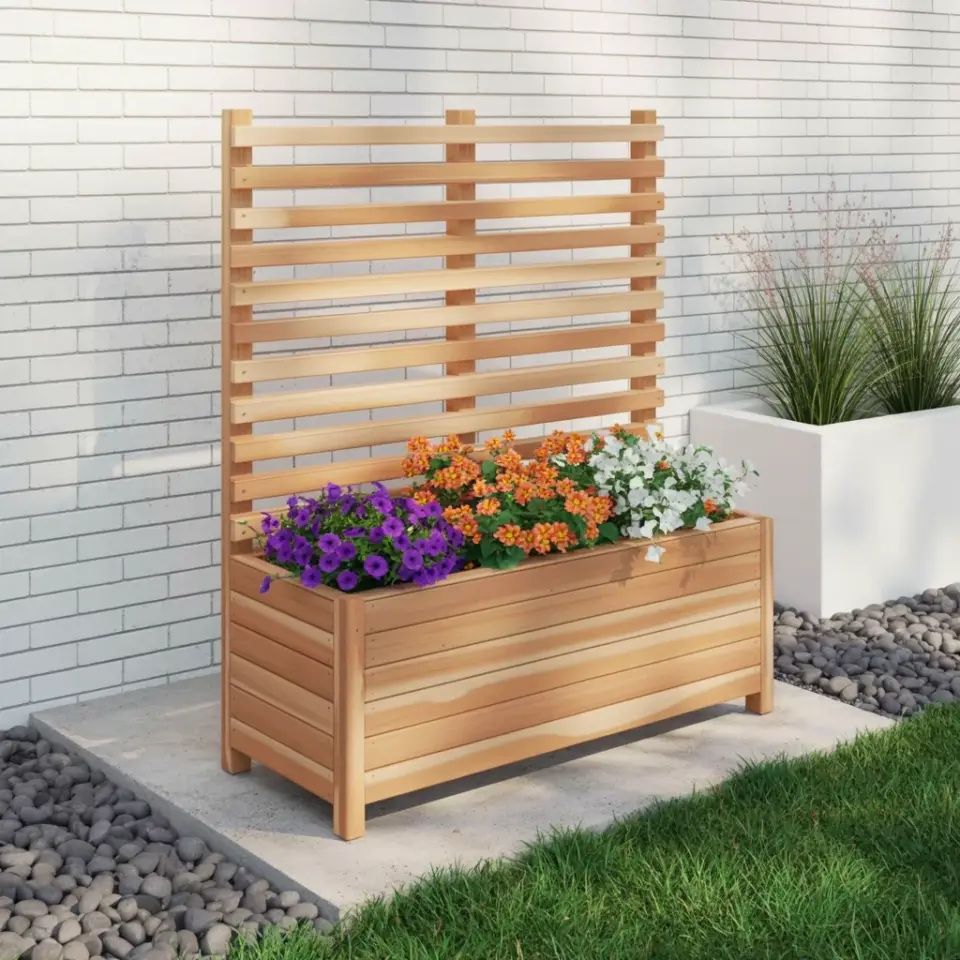
- Wooden crates lined with landscape fabric (scout flea markets or pallet wood)
Avoid metal containers or dark barrels in full sun – they can overheat the roots. Light-colored or fabric pots keep the soil cooler and are cheaper long-term than replacing cooked plants.
Budget-Friendly Potting Soil for Blueberries
Blueberries need acidic soil with a pH between 4.5 and 5.5. The most affordable way to create that is to mix your own. I use one part sphagnum peat moss (a big compressed bale costs about ten dollars and makes several batches) with one part coarse perlite or pine bark fines. Add a handful of elemental sulfur (about a dollar per pound at garden centers) to lower pH further if needed. This mix drains well and stays acidic for months.
If you buy pre-made potting mix, look for one labeled “acid-loving plants” and skip the premium brands. I have used generic “azalea and camellia mix” from a big-box store with good results. Do not use garden soil or compost from your yard – it is usually too alkaline and heavy for containers. A simple test: if your water is hard (alkaline), add a tablespoon of white vinegar per gallon every few waterings to keep the pH down. That costs pennies.
Planting and Spacing Tips for Small Spaces
Plant your blueberry at the same depth it was in the nursery pot – burying the crown can cause rot. Fill your container with the acidic mix, make a well, place the rootball, and backfill gently. Water thoroughly after planting. If you are using a 5-gallon bucket, one blueberry per bucket is enough. I tried fitting two in a half barrel and ended up with stunted fruit because they competed for root space. Give each plant at least 12 inches of soil depth; more is better.
For a continuous harvest, stagger planting times or choose two varieties with different ripening periods. ‘Sunshine Blue’ ripens early, ‘Bluecrop’ mid-season, and ‘Northland’ late. With just three containers, you can pick blueberries from June through September. That is a big return on a small investment.
Low Cost Blueberry Fertilizer for Containers
Blueberries are light feeders but they need consistent nutrients. The budget trick is to use a slow-release fertilizer formulated for acid-loving plants. A small bag (2 pounds) costs around eight dollars and will last a whole season for three containers. Apply it once in early spring and again after the first flush of fruit. I also top-dress each pot with a handful of used coffee grounds every few weeks – they are free from any coffee shop and add a little acidity and nitrogen.
Leave a Comment