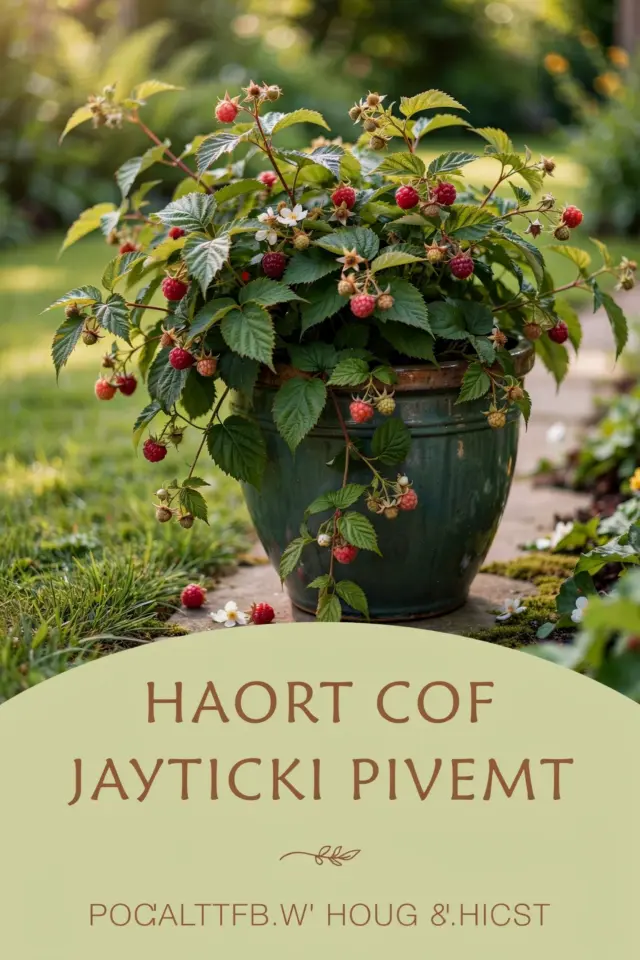
If you think raspberries are only for sprawling garden beds, think again. I have been growing raspberries in containers for the past three summers on a small patio, and I have never looked back. There is something deeply satisfying about stepping outside your back door and picking a handful of sun-warmed berries without fighting weeds or bending over muddy soil. Container gardening lets you tuck these brambles into the smallest corners, and with a few smart choices you can harvest basketfuls anywhere. This guide is a collection of ideas I have tested, tweaked, and learned the hard way, so you can skip the guesswork.
Selecting Compact Raspberry Varieties for a Limited Space
Not every raspberry is built for a pot. The big, rambling summer bearers can quickly become a tangled mess in a container. I learned that the first year when I tried to stuff a full size heritage cane into a half barrel. It was a disaster. Instead, look for primocane (fall bearing) varieties that stay shorter and produce fruit on first year canes. These are ideal because you can cut everything down in winter and start fresh.
Some reliable compact choices include:
- Raspberry Shortcake – A true dwarf that grows only 2 to 3 feet tall. It needs no trellis and has a bushy habit.
- Raspberry Ruby Beauty – Another thornless dwarf with deep red berries and a neat, rounded shape.
- Heritage – A classic primocane that reaches 4 to 5 feet but responds well to pruning. I grow one in a 15 gallon pot and keep it cut to 3 feet.
- Fall Gold – A yellow primocane variety with sweet flavor. It stays manageable in a large container.
Stick with these and you will not have to wrestle with eight foot canes on your balcony.
Container Size and Drainage Elements That Actually Matter
Raspberries hate sitting in wet soil more than they hate being thirsty. A pot that holds water is a death sentence. I use plastic or glazed ceramic containers with at least one large drainage hole. If the hole is small, I drill a few extra. The minimum diameter I recommend is 18 inches across for a single plant, though 20 to 24 inches is better if you want two canes.
Depth is just as important. Raspberries send roots down, so go for a pot that is at least 12 inches deep. I have had success with 15 gallon fabric pots because they breathe and prevent root circling. Whatever material you pick, put a layer of broken pot shards or coarse gravel at the bottom. This is old school advice, but it works to keep the drain hole clear.
Elevate the container on pot feet or bricks so water can run out freely. I lost my first plant because the tray underneath stayed full after rain. Now I never trap water beneath the pot.
Building a Potting Mix That Feeds Roots Without Suffocating Them
Bagged potting soil straight from the store is okay, but raspberries do better with a mix that holds moisture yet drains fast. I blend my own: two parts high quality organic potting mix, one part well rotted compost, and one part perlite or coarse sand. The compost adds nutrients slowly, and the perlite keeps the soil from turning into mud when you water.
Raspberries prefer slightly acidic soil with a pH around 5.5 to 6.5. If your tap water is alkaline, add a bit of peat moss or sulfur to the mix. Before I started adjusting pH, my leaves turned yellow and the berries were sour. A simple soil test kit from a garden center costs a few dollars and saves you months of frustration.
Do not use garden soil. It compacts in containers and brings weeds or diseases. Stick with a soilless mix that is light and fluffy. Your raspberry roots will thank you with vigorous growth.
Watering and Fertilizing for Consistent Berry Production
Containers dry out fast, especially in summer heat. I check the soil every other day by sticking my finger an inch down. If it feels dry, I water slowly until it runs out the bottom. In peak July I sometimes water daily. Mulch on top with straw or bark chips helps keep the moisture even and
#growingraspberries #containerraspberries #raspberrygardening #containergardenideas #summergarden
Leave a Comment