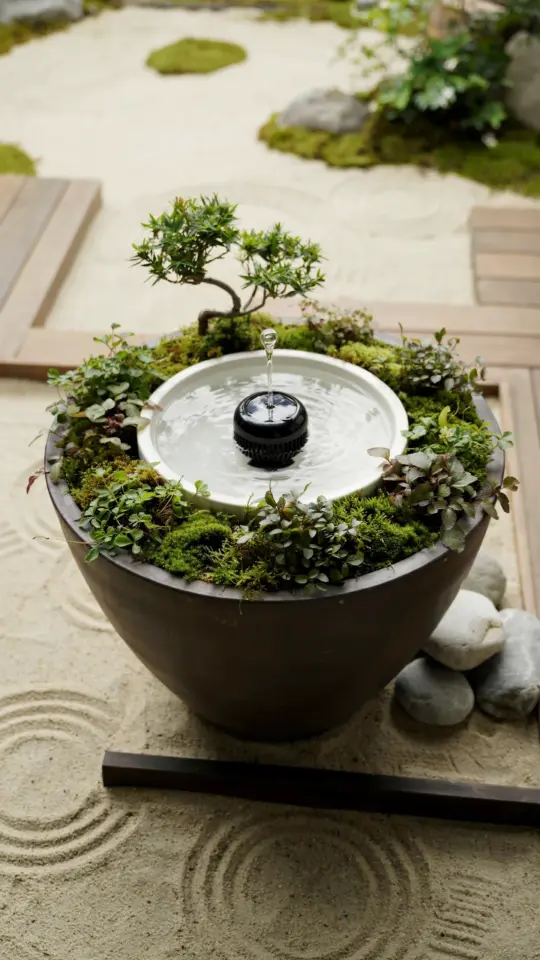
Last spring, I finally gave in and bought a solar fountain for my backyard, and honestly, it changed how I use the space. I had spent months looking at expensive pond kits and worrying about wiring, but a simple solar fountain let me skip all that. The moment I set it up, the gentle trickle of water turned my ordinary flower bed into a place I actually wanted to sit and read. If you have been thinking about adding a water feature but want something low maintenance, a solar fountain might be the easiest upgrade you make this season.
Why a Solar Fountain Worked Better Than a Plugged In Model
I tried a plug in fountain years ago. It was pretty for about two weeks until the pump burned out and I forgot to turn it off during a storm. The cord also ran across my patio, which my dog tripped over constantly. With a solar fountain, none of that happened. The pump sits in a small basin or birdbath, and the solar panel connects with a thin wire that tucks easily under mulch or rocks.
What surprised me most was the sound. I expected a weak dribble, but the model I chose has a adjustable flow valve and a wide spout. On a sunny afternoon, the water gurgles loud enough to drown out the neighbor’s leaf blower. It is not a roaring waterfall, but it is exactly the kind of water feature that makes a patio feel like a retreat.
Another thing: no electricity means zero risk. I have kids and nosy pets, and I never worry about them near a pond pump or extension cord.
Where to Put a Solar Fountain for Maximum Effect
Placement matters way more than the price tag. I learned this the hard way after putting my first solar panel under a tree. The fountain barely bubbled until 2 p.m. when the sun finally hit the panel. Move the panel to full sun, and the pump runs from about 8 a.m. until dusk. Here is where I have seen the best results in my own yard and in friends’ gardens:
- In the middle of a flower bed so the water reflects sunlight off petals and leaves
- On a sunny patio table or sideboard within earshot of your main seating area
- Near a kitchen window where you can watch birds splash while washing dishes
- At the edge of a meditation corner or hammock spot so the sound travels toward you
I also recommend angling the solar panel slightly south if you are in the northern hemisphere. A 30 degree tilt catches more midday sun and keeps the pump running longer into the evening.
Three Types of Solar Fountains That Actually Deliver
Not all solar fountains are created equal. I bought a tiny floating model first because it was cheap, and it barely made a ripple. Here are the three designs I have tested that actually produce a steady, satisfying flow:
Pedestal birdbath fountains. These are my favorite for garden design. You place the pump inside a traditional birdbath bowl, and the solar panel sits on the ground or mounts on a stake. The water splashes from the center and creates a shallow basin perfect for birds. The sound is light, like rain on a tin roof.
Pondless cascade kits. If you want something taller, these use a small reservoir buried in the ground and a pump that pushes water up through stacked stones or pottery. The solar panel sits nearby. I installed one of these along a pathway, and the bubbling stone attracts robins and finches all afternoon.
Wall mounted spouts. For patios with limited floor space, a wall mounted solar fountain hooks onto a bracket and drips into a pebble filled basin below. The panel mounts on the wall above or sits on a shelf. This design uses very little water and runs even on partly cloudy days.
How to Attract Birds (and Keep Them Coming Back)
A solar fountain that attracts birds is not just about the water. Birds need shallow water and a rough surface so their feet do not slip. I added a few flat river stones to the basin of my birdbath, and the finches started visiting within hours. They also need a clear view of the surrounding area so they can spot predators.
Keep the basin depth under two inches. Anything deeper and smaller birds will avoid it. I empty and rinse my fountain every three days to prevent algae and mosquito larvae. If you forget like I do, drop a mosquito dunk in the basin. It is safe for birds and stops larvae without chemicals.
Position the fountain near shrubs or a low tree branch. Birds like a quick escape route. I have a spirea bush about four feet from my fountain, and the birds land there first, check the area, then hop into the water.
Low Maintenance Lessons From My Own Mistakes
My first solar fountain stopped working after two weeks. I thought it was broken, but the pump was just clogged with a tiny leaf. Solar fountain maintenance tips are simple if you follow a few rules. Clean the pump intake every two weeks with an old toothbrush. Remove debris from the basin before it settles. Store the pump indoors during winter if you live where it freezes.
I also learned to buy a model with a replaceable pump. Some cheap
#solarfountain #gardendesign #waterfeature #backyardideas #ecofriendly
Leave a Comment