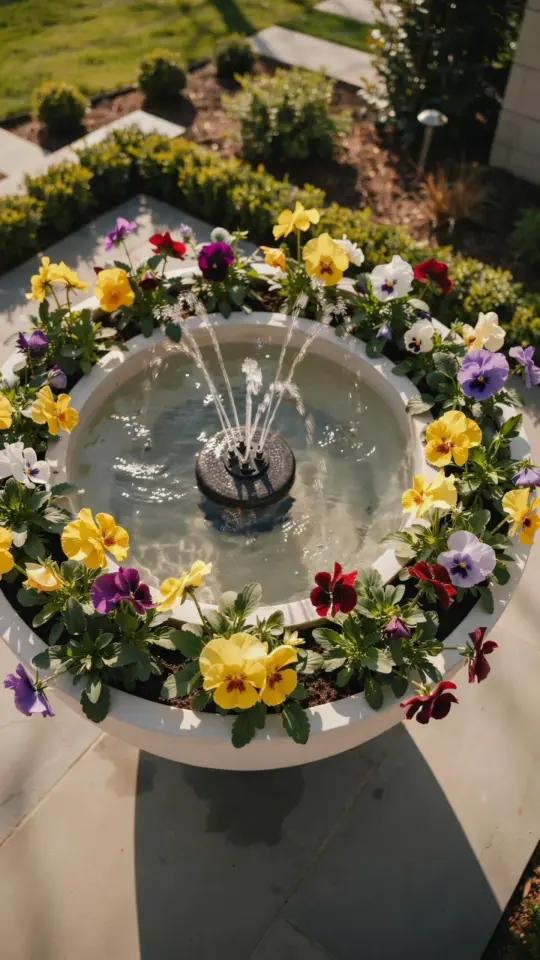
Have you ever wished your garden had a gentle water sound without the hassle of wiring or electricity? That is exactly what a solar water fountain can do. A solar fountain uses sunlight to power a small pump, so you get a peaceful trickle of water without any digging, extension cords, or monthly electricity bills. This simple upgrade turns a quiet corner of your yard into a calming retreat, and it works for patios, flower beds, or even a balcony. You do not need any prior experience with pumps or solar panels to make it happen. In this guide, I will walk you through the basics, show you easy DIY ideas, and help you choose the best setup for your outdoor space.
How Solar Water Fountains Work (No Technical Knowledge Needed)
Solar fountains are surprisingly straightforward. The main parts are a solar panel, a small pump, and a basin or container for the water. The solar panel collects sunlight and converts it into electricity, which runs the pump. The pump pushes water up a tube and lets it flow back down into the basin. That is the whole cycle.
Most solar fountain kits come with everything you need: the panel, the pump, and a few nozzles to change the water pattern. You just place the panel in direct sun, put the pump in the water, and connect the tube. Many people worry about cloudy days, but modern solar panels still produce some power in indirect light. The flow may be slower, but the fountain keeps running. For consistent performance, aim for at least four hours of direct sun each day.
Choosing the Right Solar Fountain for Your Garden Space
Before you buy a kit or build your own, think about where you want the fountain to sit. A small patio table can hold a desktop-sized fountain with a tiny panel. A large flower bed might use a freestanding fountain with a separate panel on a stake. Here are a few factors to consider:
- Size of the water basin: A wider basin holds more water, which means less refilling on hot days. A shallow bowl may need topping off every day.
- Panel output: Look for a panel rated at least 2 to 3 watts for a small fountain. Larger fountains need 5 watts or more for a strong stream.
- Pump flow rate: Measured in gallons per hour (GPH). For a gentle trickle, 50 to 80 GPH is plenty. For a taller spray, look for 100 GPH or more.
- Material: Ceramic, stone, or glazed pots last longer in sun and rain. Avoid thin plastic that may crack or fade.
If you already have a container you like, you can buy a separate solar pump kit. That way you can use a vintage watering can, a clay pot, or even a galvanized tub as your fountain basin. Just make sure the container is waterproof or lined with a plastic insert.
Easy DIY Solar Fountain Ideas You Can Try This Weekend
Creating your own solar fountain is simpler than it sounds. You do not need fancy tools or plumbing skills. Here are three beginner-friendly setups that look great and cost less than a store-bought fountain.
1. Stacked stone fountain. Find three or four flat stones or slates. Drill a small hole through the center of each stone (a masonry bit works). Stack them with the holes aligned, then run the pump tube through the stack. The water bubbles up through the top stone and runs down the sides. This looks natural and blends into a rock garden or border.
2. Terra cotta pot fountain. Use a large glazed pot as the base and a smaller unglazed pot as the top tier. Place the pump in the large pot, run the tube up through the small pot, and seal the connection with aquarium-safe silicone. The water spills over the rim of the small pot into the large one. Add pebbles around the pump to hide it.
3. Hanging bottle fountain. This one is great for a porch or railing. Use a glass bottle (like a wine bottle) and a small submersible pump. Fill the bottle with water, then seal it with a rubber stopper that has a tube going through it. Place the bottle upside down on a pedestal, with the tube connected to the pump below. The water recirculates through the bottle, creating a slow drip effect.
Best Placement for Maximum Sun Exposure
Solar fountains need direct sunlight to work well. That means you should put the solar panel in a spot that gets full sun for most of the day
#SolarFountain #GardenWaterFeature #OutdoorDecor #EcoGarden #DIYGarden
Leave a Comment