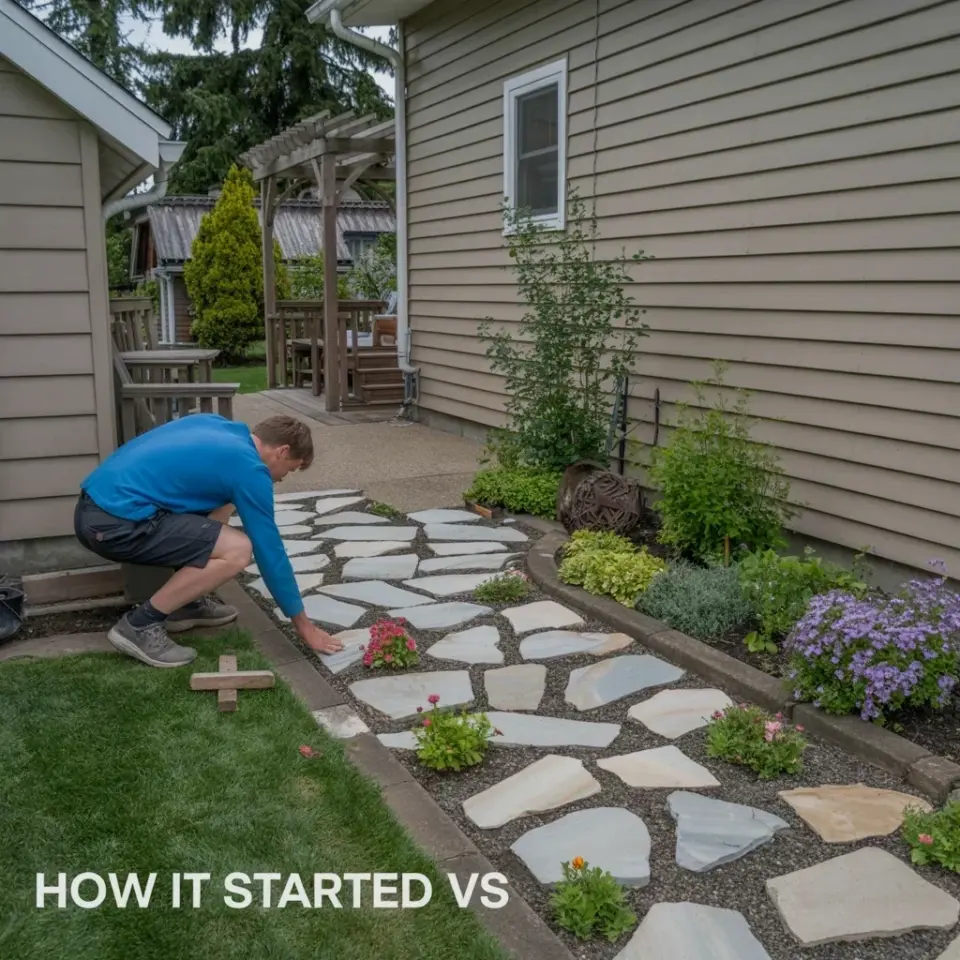
The first time I stepped barefoot onto my garden path, I expected to yelp and hop away. Instead, my toes sank into a soft, fragrant mat of tiny green leaves. That was the moment I knew creeping thyme ground cover was the right call for the spaces between my pavers. I had spent weeks researching lawn alternatives, and this little herb kept showing up in all the best places. So I ordered a flat of plugs, grabbed a trowel, and turned my plain stone walkway into something that looks like it belongs in a cottage garden magazine.
Why Creeping Thyme Makes Sense Between Pavers
Creeping thyme is not like the thyme you buy for cooking, though it is technically the same genus. It grows low, spreads slowly, and handles foot traffic surprisingly well. When you plant it between pavers, it fills those narrow gaps with a living carpet that stays green for most of the year. It also tolerates poor soil, which is exactly what you have under a path made of stone or brick.
Many people worry about planting anything between pavers because they think weeds will take over. Creeping thyme actually helps with that. Once it establishes, it forms a dense mat that leaves little room for dandelions or crabgrass to move in. It is a groundcover that works with you, not against you.
The Pros of Using Creeping Thyme as a Lawn Alternative
When I tell friends about my path, the first thing they notice is the smell. Walk across creeping thyme after a light rain or a warm evening, and the whole pathway smells like a blend of mint and earthy herbs. It is not overpowering, but it is definitely there. That fragrance is reason enough for me to never go back to plain gravel.
There are also practical wins. Creeping thyme stays short, so you never have to mow it. It tolerates drought once established, which means less watering than my old patchy lawn. It also handles light foot traffic beautifully, and it even releases more fragrance when you step on it.
- Soft to walk on, even barefoot
- Drought tolerant after the first season
- Naturally suppresses many weeds
- Evergreen in mild climates
- Works well in small crevices between stones
- Attracts pollinators with tiny summer blooms
For a DIY garden project, it is also very forgiving. You do not need special tools or advanced skills to plant it. If you can dig a small hole and water it, you can grow creeping thyme between pavers.
The Cons to Know Before You Start
I want to be honest about the downsides. Creeping thyme is not a magic carpet that thrives on total neglect. It needs full sun for at least six hours a day. If your path is shaded by trees or a fence, you will get thin, leggy growth that does not fill in nicely.
It also takes time. The first season, I felt like nothing was happening. The plugs stayed small and the gaps still looked like dirt. By the second year, though, the thyme really started to spread and fill in the spaces. If you are impatient, you might be frustrated at first.
Another thing to keep in mind is that creeping thyme does not like constantly wet feet. If your walkway sits in a low spot where water pools after rain, the thyme can rot. You want good drainage between those pavers, not standing water.
How to Plant Creeping Thyme Between Pavers: A Beginner’s Guide
Start with the right timing. Early spring or early fall are ideal because the temperatures are mild and the soil is easier to work. You can also plant in summer if you are willing to water more often, but that is extra effort. Before planting, make sure the gaps between your pavers are clean and free of loose debris.
I used small six-packs of creeping thyme plugs from a local nursery, but you can also grow it from seed or divide an existing plant. Plugs are the easiest for beginners. Place each plug about 8 to 12 inches apart, because they will spread and fill the open space. If your gaps are narrow, you might just tuck small pieces of thyme directly into the crevice.
Here is the simple method that worked for me:
- Loosen the soil in the paver gap with a hand trowel or a screwdriver.
- Mix in a little compost or slow-release fertilizer if the soil looks dead.
- Set the thyme plug into the gap, with the top of the root ball level with the paver edge.
- Backfill with soil and press down gently.
- Water thoroughly but gently so you do not wash the soil away.
That is it. There is no secret trick. The most important step is keeping the new plugs moist for the first few weeks while they get their roots settled.
Caring for Your Creeping Thyme Pathway
After the first month, taper off watering. Creeping thyme prefers to dry out between waterings, so let the top inch of soil feel dry before you water again. In the second season, you can mostly let nature handle it unless you are in a severe drought.
You will also want to give the thyme a light trim after it flowers. This keeps it looking neat and encourages denser growth. A pair of garden scissors is enough. Just trim the tops lightly, not down to the wood. I usually do this once in early summer and again in late summer.
One thing I learned the hard way: do not use broadleaf weed killer anywhere near the path. It will kill the thyme too. If you see weeds popping through, pull them by hand. It takes only a few minutes and keeps your pathway looking intentional.
Creative Pathway Ideas With Creeping Thyme
Creeping thyme is not just for straight paver lines. You can use it between irregular flagstones, around stepping stones, or even as a full groundcover in a small garden bed. I have also seen it planted between brick pavers in a herringbone pattern, and the soft purple flowers in summer make the whole path look like something from a European courtyard.
For a DIY garden project, pair creeping thyme with other low-growing plants like miniature sedums or Irish moss. Just be sure they have similar sun and water needs. Creeping thyme is the star of the pathway, but a few companions make it look more lush and dynamic.
If you are using creeping thyme as a lawn alternative for a larger area, you can plant it in between wider gaps or even as a full bed. Just remember that it is not meant for heavy sports or constant running. It is perfect for a quiet garden path, a back patio, or a strip between your driveway pavers.
What to Avoid When Planting Between Pavers
Do not plant creeping thyme in a gap that is mostly concrete dust or construction rubble with no actual soil. It needs some organic matter to root into. If your paver base is pure gravel, you may need to create a small pocket of soil for each plug.
Also avoid planting too deeply. I made this mistake with my first few plugs, burying the leaves so they rotted. Keep the crown of the plant at the soil surface, like you would with any other perennial. And do not walk on the thyme until it has had a few months to spread. I know it is tempting, but give it time to grip the soil.
In the end, creeping thyme ground cover between pavers is a beautiful and practical choice for anyone who wants a soft, fragrant path without the hassle of a lawn. The cons are minor compared to the joy of a green walkway that smells good every time you step outside. If you are ready to try it, start with a small section and see how it goes.
Have you planted creeping thyme in your garden yet? I would love to hear how it turned out for you. Share your own pathway ideas in the comments, and do not forget to save this guide for your next DIY garden project.
Leave a Comment