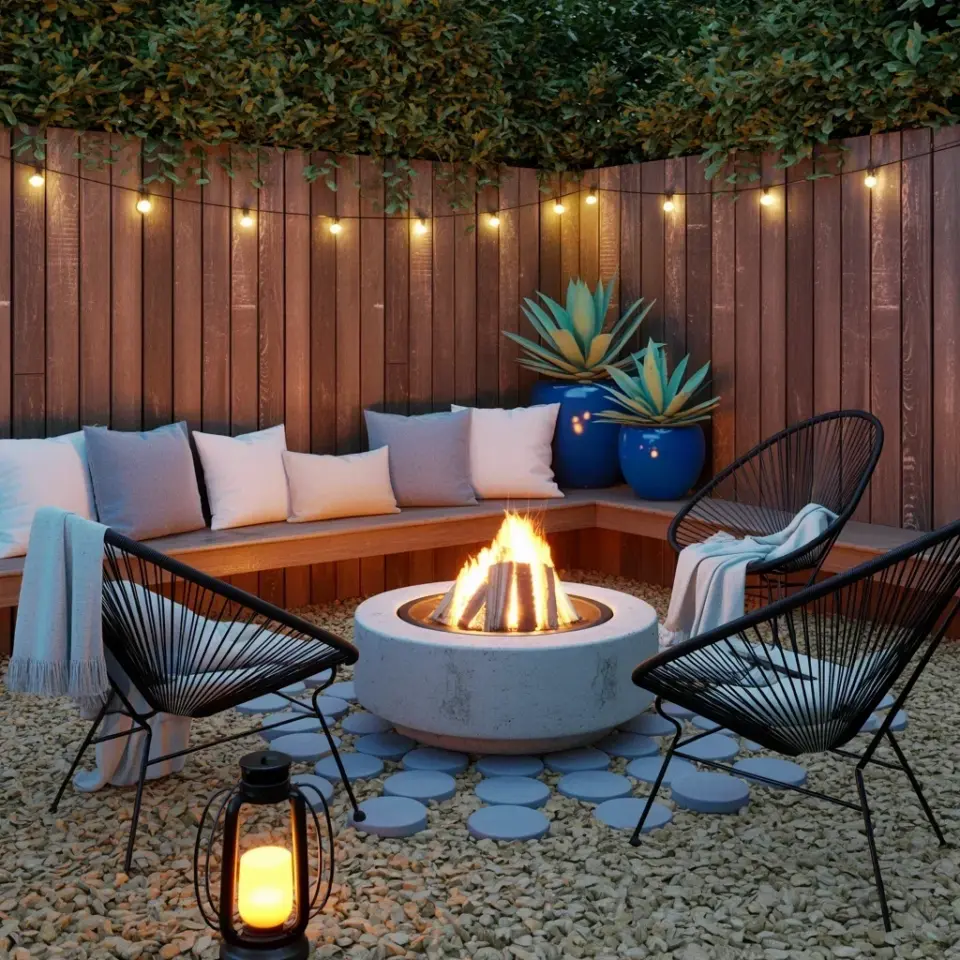
Start with the Bones: Choosing the Right Layout
Before you buy a single plant or string of lights, take a good look at your actual space. I walked around my own yard with a notebook for a week, noting where the sun hits at different times and where I naturally wanted to sit. The trick is to create defined zones without making it feel cramped. If you have a small city lot, place your seating area in the corner that catches the afternoon shade. For larger spaces, think about a path that leads the eye from the fire pit to the dining table. This isn’t about perfection, it’s about flow. You want a cozy outdoor space that feels like an extension of your house, not a random collection of stuff.
Sketching a rough map helps. I drew circles for the seating zone, a rectangle for a planter bed, and a tiny square for a side table. Then I moved them around on paper until it felt right. The goal is to avoid a cluttered look. Leave at least three feet of clear walking space between furniture pieces. That little breathing room makes all the difference when you are carrying drinks or just stretching your legs.
Green the Walls and Ground with Layers
Lush greenery is what turns a plain patio into a real garden. I learned the hard way that planting only one type of shrub makes the yard look flat. Instead, layer your plants by height. Use tall evergreens or ornamental grasses along the fence line for privacy. Then add mid-height plants like hydrangeas or lavender. Finally, tuck low-growing ground covers or creeping thyme between stepping stones. This creates depth and texture without needing a landscape designer.
If you have a wall or wooden fence, consider a living screen. I attached a simple trellis and trained jasmine up it. Within a year, I had a fragrant green wall that blocked the neighbor’s view. For renters or quick results, large potted plants work just as well. Group three pots of different sizes together for an instant lush look. You do not need a green thumb to pull this off, just a willingness to water regularly and choose plants suited to your light conditions.
- Tall plants for privacy: bamboo in containers, arborvitae, or tall fescue grasses.
- Mid-layer color: dwarf lilac, butterfly bush, or boxwoods trimmed into shapes.
- Ground level: creeping Jenny, sedum, or Irish moss between pavers.
Soft Lighting That Changes the Mood
The moment I added string lights to my backyard garden, everything clicked. That warm glow turns an ordinary evening into a cozyoutdoors retreat. You do not need fancy fixtures. A set of outdoor fairy lights draped across a pergola or between two trees works beautifully. I used Edison bulb string lights because they give a golden, dim light that flatters everything. Hang them at eye level so they cast pools of light on your seating, not harsh overhead glare.
For smaller accents, place a few LED lanterns on the ground or on a side table. Solar path lights are practical and need no wiring, but I prefer ones with a warm white tint instead of cool blue. Candle holders with glass jars also add a flickering charm. Just be careful with real flames if you have dry grass or kids running around. Battery-operated flameless candles look real enough and stay lit all night. The key is to use multiple light sources at different heights. Overhead lights, tabletop candles, and a low light near the plants create a layered glow that makes the whole yard feel like a dream garden.
Seating That Makes You Stay
Comfortable seating is non-negotiable for a dream backyard garden. I bought a cheap metal bench once and regretted it every time the cushion slid off. Now I swear by deep-seated outdoor sofas with thick cushions that you sink into. Look for fabric that is UV resistant and water repellent, and if you can, keep cushions in a storage box when not in use. A hammock or a hanging chair adds a lazy weekend vibe. I hung a rope hammock between two sturdy trees, and it instantly became the most popular spot in the yard.
For a more budget-friendly option, try floor cushions or a low wooden platform with an outdoor futon. Arrange seats so they face each other. That makes conversation easier and creates an intimate seating area. Add a small side table within arm’s reach of each seat. A stack of outdoor pillows in different colors finishes the look. You want people to linger, so test the seating yourself. If you cannot imagine sitting there for an hour with a coffee, it is not cozy enough.
Add Texture with Natural Materials
Plastic furniture and synthetic decking can feel cold. Natural materials warm up the whole space. I replaced my plastic table with a solid wood trestle table and loved how it grounded the area. Teak or acacia wood holds up well outside if you oil it once a year. Stone steppers, gravel pathways, and a rattan sofa bring in organic texture that blends with plants instead of fighting them. Even small touches like a woven seagrass mat under the coffee table make a difference.
Do not shy away from mixing materials. A metal fire pit paired with wooden benches and a concrete side table feels balanced. I also added a few clay pots with rough, hand-thrown surfaces. They look less sterile than glazed ones. If you have a concrete patio, soften it with an outdoor rug made from natural fibers like jute or sisal. Just keep it dry or roll it up after rain to prevent mold. Texture is what makes a cozy outdoor space feel lived-in and welcoming.
Little Extras That Create a Getaway Feel
Small details can turn your yard into a mini weekend retreat. A portable fire pit is my number one recommendation. It extends the season into cooler months and creates a natural gathering point. I have a simple steel bowl model that I fill with wood on weekends. Pair it with a marshmallow roasting stick and you have instant happiness. A small water feature, like a tabletop fountain or a recirculating ceramic bowl, adds a gentle sound that drowns out street noise.
Think about what makes you feel away. For me, it is a tray with a pitcher of iced water and a few books. For others, it might be a small Bluetooth speaker hidden in a planter or a corner with a yoga mat. Outdoor curtains on a simple rod can block wind and add privacy. I hung white linen curtains on my pergola, and they soften the space like nothing else. Even a cheap outdoor rug with a pattern you love can tie the whole garden inspiration together. These little touches cost very little but pay off in how often you actually use the space.
Care for It Without Losing Your Mind
Let me be honest: a beautiful garden requires some upkeep. But you can design a low maintenance backyard garden from the start. Choose native plants that thrive in your climate with minimal watering. I replaced fussy annuals with perennial sage and coneflowers, and now I only water once a week in summer. Mulch heavily around plants to keep weeds down and soil moist. Set up a drip irrigation system on a timer. It costs under fifty dollars and saves you hours of dragging a hose.
For furniture, look for aluminum frames or high-density polyethylene wicker that resists cracking. Store cushions when not in use. Sweep the patio every few weeks to keep leaves from staining. A little routine maintenance means your dream garden stays dreamy instead of turning into a chore. I spend about twenty minutes a week on basic tasks, and that is plenty. The whole point is to enjoy the space, not to slave over it.
So there you have it, a practical roadmap to your own cozy outdoor living area. Start with one corner, add lighting and a seat, and build from there. Your backyard garden can become that weekend getaway you have been craving, just a few steps from your back door. Save this idea to your Pinterest board for when you are ready to get started. And once you finish, send me a picture. I would love to see what you create.
#backyardgarden #cozyoutdoors #gardeninspo #dreamgarden #outdoorliving
Leave a Comment