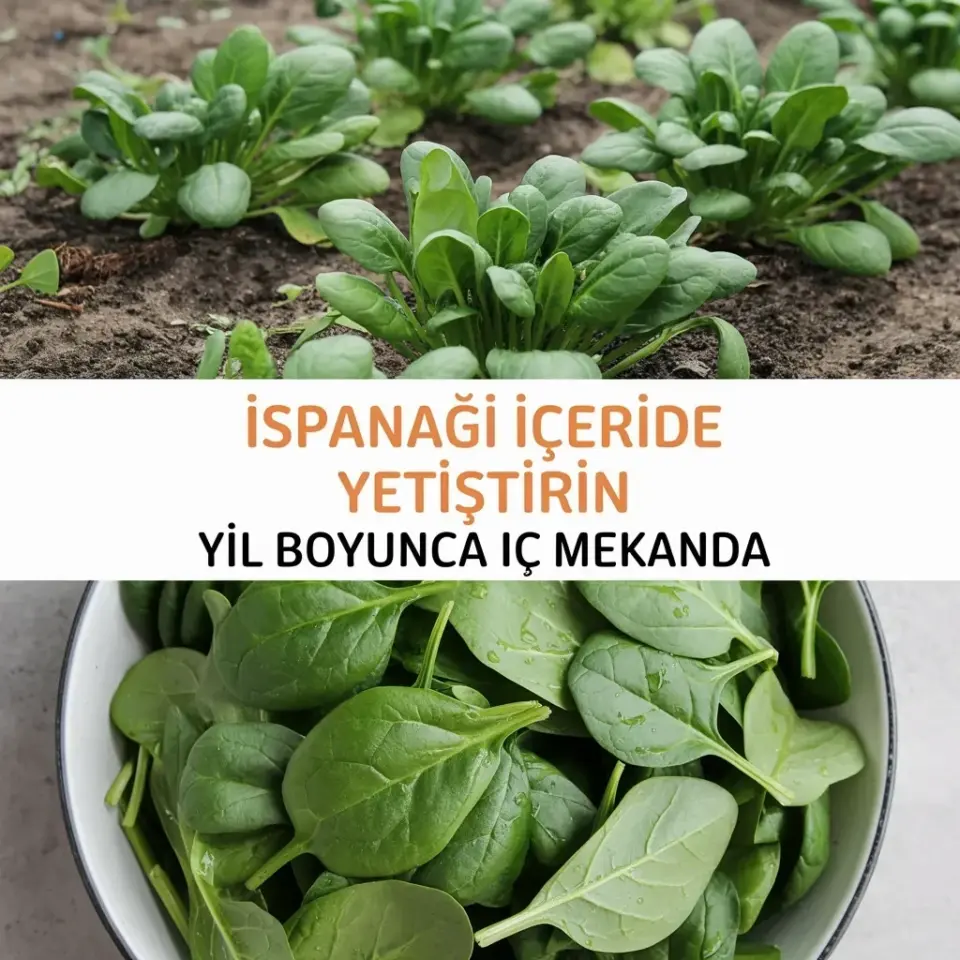
Fresh spinach is one of those crops that makes you feel like a gardening genius, and honestly, this fresh spinach growing in dark soil moment never gets old for me. I took a photo the other day that perfectly captured the whole cycle: the top half showing vibrant spinach plants thriving in that rich, almost black earth, and the bottom half showing the very same spinach leaves piled into a white ceramic bowl. It was one of those split images that just makes you want to save it for your garden inspiration, you know? That contrast between the dirt where it all begins and the clean bowl where it ends up is exactly why I keep planting this crop year after year.
That photo I mentioned, it wasn’t staged or anything fancy. I just finished picking a bunch of leaves for a pasta dinner, and I set the bowl down on the patio next to the raised bed for a second. The water droplets were still beading up on the deep green, rounded leaves, and I thought, wow, that’s a beautiful split. The text in the middle of the image says “ISPAN” (that’s Turkish for spinach), and it just tied the whole thing together. Anyway, it got me thinking about how I actually got to that point, because my first few attempts at growing spinach were honestly pretty sad. Let me talk about what changed.
## The Real Trick to Growing Spinach: Harvest the Outer Leaves First
Here’s the thing that took me way too long to figure out with growing spinach. If you yank the whole plant out of the ground when it looks big enough, you get one meal and then it’s gone. That’s it. But if you use scissors or just your fingers and snap off the larger, outer leaves while leaving the smaller inner rosette intact, the plant just keeps pumping out new growth. It’s like magic, but it’s really just plant biology doing its thing. I leave at least half the plant alone, and I get harvests for weeks instead of one single sad salad.
I wish someone had drilled this into my head earlier. The first year I tried this, I pulled everything up by the roots because I thought that was normal. I got about two handfuls of leaves and a lot of dirt under my fingernails. Now, I treat my spinach patch like a little renewable resource. I go out every few days, pick the big leaves, and leave the babies to do their job. It honestly feels a bit sneaky, like I’m getting away with something.
## Why Dark Soil Makes All the Difference for Spinach Leaves
You know that image of spinach growing in dark soil, the one that looks so perfect in photos? That dark color is not just for aesthetics, it means your soil is rich in organic matter, and spinach absolutely craves that. I mix in a ton of compost before I even think about sowing seeds. The darker and fluffier the soil, the better your spinach leaves will taste and the faster they’ll grow.
Look, spinach is a heavy feeder. It wants nitrogen, and it wants it constantly. If your soil is pale, sandy, or just looks like dead dirt, you’re going to get bitter, spindly leaves that bolt to seed the second the temperature rises. I’ve had that happen. It’s disappointing. Now, I swear by working in aged manure or compost a few weeks before planting. The roots stay cool and moist in that dark earth, which is exactly what spinach wants to stay sweet and tender.
## From Garden Harvest to Bowl: Handling Those Fresh Spinach Leaves
So you’ve got your garden harvest, and you’re holding a handful of gorgeous spinach leaves. The worst thing you can do is wash them right away and shove them in the fridge. That’s how you get slimy, wilted mush. I leave mine unwashed in a loosely sealed container, honestly, they last way longer that way. When I’m ready to eat them, I fill my white ceramic bowl with cold water, drop the leaves in, and swish them around to get the grit off.
It’s a simple ritual, but it works. Spinach leaves are delicate, they bruise and break if you’re too rough, so I treat them like little green treasures. I pat them dry with a kitchen towel or just let them air dry in a colander for a bit. And if I’m being honest, I usually end up eating a few leaves right there. Cold, crisp, slightly sweet straight from the plant, it tastes completely different from the bagged stuff at the grocery store.
### My Go-To Way to Use a Big Bowl of Leaves
Once you have a big bowl of fresh spinach leaves, the options are kind of endless, but here is what I actually do most of the time:
– Throw a huge handful into a hot pan with garlic and olive oil and let it wilt down to a savory side dish.
– Toss it raw into a salad with some sliced strawberries, feta, and a balsamic dressing.
– Blend it into a morning smoothie with a banana and some frozen mango. You honestly can’t taste the spinach.
There’s also a trick I love for soups. I add the leaves in the last two minutes of cooking, this way they keep their color and that fresh, grassy flavor. My one complaint? They shrink up so much when cooked. You think you’re picking a mountain of leaves, and then it cooks down to like two bites. It’s insulting, but it’s so good that I just go pick more.
## Why Homegrown Spinach Tastes Better (And You’ll Actually Eat It)
The biggest surprise to me was that when I grow spinach myself, I actually eat it. Store-bought spinach often sits in my fridge until it turns into a science experiment. But homegrown? I’m picking it right before dinner, washing it in the kitchen, and throwing it into everything. I think it’s the connection to the process. When you grow spinach with your own hands, you feel invested in it, and you don’t want to waste any of it.
Plus, there’s the flavor. Fresh spinach leaves that you pick have a certain sweetness, almost like a nutty, earthy flavor that gets lost during shipping. It’s hard to describe unless you’ve tried it. The leaves in that bowl in my photo, they were thick and slightly crinkly, ready to burst with moisture. That’s the texture you want, and you’re not getting it from a plastic bag. You’re just not.
## A Quick Note on Timing and Temperature for Growing Spinach
Alright, here’s a little tangent about timing, because I messed this up too. Spinach hates the heat. It hates it. If you plant it in the middle of summer, it will bolt, which means it sends up a flower stalk and turns bitter immediately. It’s like the plant just gives up and goes to seed. I’ve learned to grow it in the early spring and again in the fall, when the days are cool and short.
The photo I took shows those leaves in that perfect stage, before any of that bitterness sets in. Warm days and cool nights are the secret. If you live somewhere with mild winters, you can even grow it through the cold season. I’ve had spinach survive a few light frosts and taste even sweeter afterward. There’s something about that resilience that makes me respect the plant, even when it’s being dramatic about the heat.
## The Mental Shift of Harvesting Your Own Garden Harvest
Honestly, there’s a moment that happens when you harvest your own food. You look down at your dirt-stained hands, you look at the bowl of leaves, and you feel this little jolt of pride. It’s ridiculously simple, just a leaf you grew from a seed, but it feels monumental. I think that’s why the hashtags like gardenharvest and homegrown resonate with people so much. It’s not just about the food, it’s about the proof that you did the thing.
The split image of my spinach really captured that duality for me. The top is the work, the dirt, the patience, the waiting. The bottom is the reward, the clean bowl, the nourishment, the food on your table. Both halves are necessary. If you just buy spinach at the store, you skip that first half, and I think you miss out on a little bit of the joy. Sure, it’s easier, but it’s not as satisfying.
So here is my final tip for you, and I mean it, don’t be afraid to get your hands in that dark soil. Plant some spinach seeds, wait for those green leaves to appear, and then resist the urge to pull the whole thing up. Snip a few outer leaves, leave the rest to grow, and you’ll have a steady supply of the freshest spinach you’ve ever tasted. Save this post for your next garden planning session, and when you’re standing in the dirt with a bowl full of leaves, you can thank me later. Just don’t forget to take the photo, because it really does look awesome.
#freshspinach #growingspinach #spinachleaves #gardenharvest #homegrown
Leave a Comment