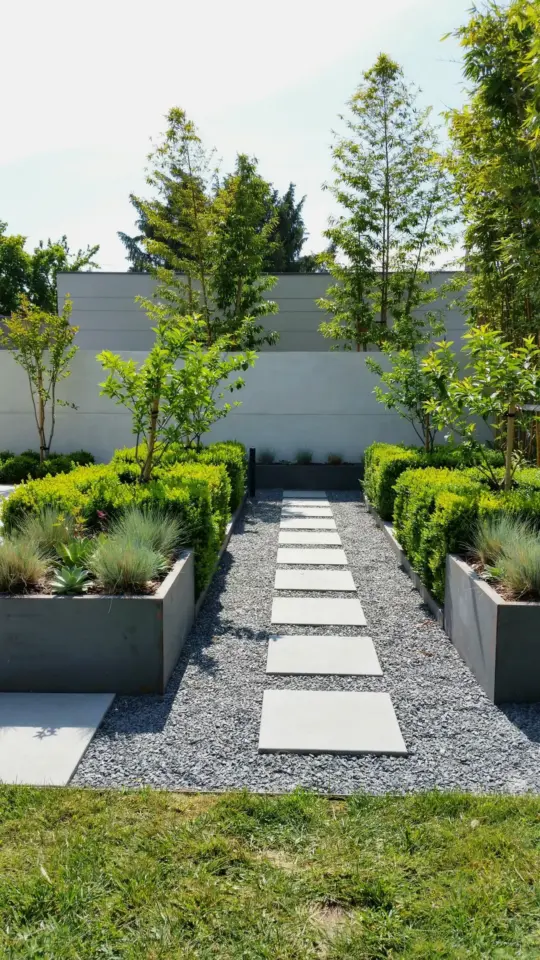
Last spring, I finally stopped overthinking my vegetable garden and copied a layout that famous kitchen gardener Nicole Burke calls the Four Garden Classic. Honestly, it changed everything about how I grow food. If you have been dreaming about a raised bed kitchen garden but feel paralyzed by all the fancy plans online, this tour is for you. It is a simple, four-bed system designed so you can actually reach every single plant without stepping on the soil. That one concept, wide paths and narrow beds, cuts the work in half and makes the whole space feel calm, not chaotic.
Why a simple raised bed garden layout beats a complicated one
Look, I love a good garden magazine spread as much as anyone. But those sprawling plots with winding borders and dozens of different bed shapes? They are gorgeous in photos and a nightmare to maintain. A simple raised bed garden layout, on the other hand, is just four rectangular boxes arranged on a grid. That’s it. You get maximum growing space for the square footage, and you never have to contort your body to reach a plant in a weird corner.
Burke’s point is that the garden should serve your cooking, not your aesthetic. A rectangle is practical. A path is practical. When you strip away the frills, you are left with a system that is easy to build, easy to fill, and easy to harvest from. I built mine in an afternoon with four cedar boards and a drill. Not gonna lie, the simplicity felt almost too easy, but the results proved me wrong.
The power of four raised beds for crop rotation
Why four beds and not two or six? Well, four fits perfectly into a classic rotation schedule for annual vegetables. You can divide your crops into leafy greens, fruiting plants like tomatoes and peppers, root crops like carrots and beets, and the soil builders, which are beans and peas. Each year, you move each group to the next bed. This helps prevent pests and diseases from settling in.
Here’s the thing though: you don’t have to be a purist about rotation. Some years, I just grow what we eat most. But having four separate zones makes it so much easier to manage soil health individually. If one bed needs extra compost after the heavy feeders are done, you know exactly where to put it. The four-bed system is your default, and your flexibility is the backup.
When you plan a raised bed kitchen garden, think of those four beds as the engine. I keep a simple notebook sketch on my fridge to remind me what went where. It sounds nerdy, but it saves me from planting brassicas in the same spot two years in a row.
Wide garden paths are your future self’s best friend
Ok so this is the secret that most new gardeners get wrong. They pack the beds close together to save space, and then they hate gardening because they can’t kneel down or reach the back row. Burke’s design uses paths that are at least two feet wide, and honestly, if you have the room, go a little wider. I made mine thirty inches and I regret nothing.
Why does this matter so much? Because a comfortable garden is one you actually visit. If you have to squeeze in sideways or crawl on your hands and knees, you will not want to water, weed, or pick. But when you can stroll down the path with a trug and some pruners, you will be out there every single evening, just checking things. You can put a stool on the path, sit down, and spend a quiet hour thinning carrots. That is the kind of gardening that feeds you, both literally and mentally.
Raised bed plant spacing and keeping things close
One of the biggest shifts in my thinking was learning to plant vegetables closer together than most seed packets suggest. In a raised bed kitchen garden, you have deep, fluffy soil, which means roots can grow down instead of sprawling out laterally. That allows you to pack plants in a grid pattern, almost like a checkerboard. You are not growing rows on a farm; you are growing a dense, living mosaic.
For example, I used to space lettuce a foot apart because that’s what the packet said. Now I put them six inches apart and harvest every other head early as baby greens. The ones left behind fill in the space. This technique, sometimes called intensive planting, reduces weeds because there is no bare soil for them to invade. And the dense canopy keeps the soil cool and moist. My small garden produces way more food than a traditional row garden twice the size.
Choosing kitchen garden plants you will actually eat
Here is a practical rule I stole from Burke and now swear by: if you wouldn’t buy it at the grocery store, don’t grow it. It sounds obvious, but we all fall for pretty seed catalogs. I have been guilty of growing kohlrabi simply because the purple variety looked cool, and then it sat in my fridge for three weeks. Grow what your family eats on a weekly basis. For me, that’s arugula, cherry tomatoes, green beans, and basil.
Think about the meals you cook on a Tuesday night. If you are always reaching for a bell pepper or a bunch of cilantro, put those in your plan. A kitchen garden is not a botanical collection, it’s a pantry. I also keep a few perennial herbs like rosemary and thyme in a separate little bed near my back door because they are perennials and should not be rotated. But the annual vegetables, the salads and stir-fry stuff, those live in the grid.
How to care for a small garden without getting overwhelmed
The maintenance routine for this type of garden is surprisingly light, and that is the whole point. You water deeply but less often, which encourages roots to grow down. I use a simple drip line on a timer because I will forget to water, and my plants don’t deserve to suffer for my scattered brain. Mulching between the plants with straw or shredded leaves locks in moisture and keeps the soil cool. You can do it once in early summer and then basically ignore it.
Weeding in this layout is almost meditative because you can reach everything. I pull weeds while standing on the path or sitting on a small plastic stool. There is no getting on my hands and knees in the mud, which is great for my back and my mood. The dense planting suppresses most weeds anyway, so I maybe spend ten minutes a day on upkeep, and that’s mostly just harvesting and checking for pests.
A peek inside my own raised bed garden tour
Right now, my four beds are a delightful mess of late summer abundance. Bed one has tomatoes and basil, and the basil has gone to flower because I was on vacation. Bed two is carrots and beets, with a few volunteer dill plants that popped up from last year. Bed three is crowded with pole beans climbing up a simple teepee of bamboo stakes. And bed four is resting under a thick blanket of buckwheat, a cover crop that I will chop down to feed the soil for fall. It doesn’t look like a magazine photo, but it’s productive, and that’s what counts.
My favorite chair in the yard is right next to this garden. I spend five minutes every morning just looking at it before the world gets loud. There’s something deeply satisfying about watching your food grow in a system that makes sense. And when I cut a giant bowl of salad for dinner, knowing exactly where every leaf came from, I feel rich, like I’ve discovered a cheat code for modern life.
If you are ready to tear out that patch of grass or fill those empty cedar boxes, start with the four-bed classic. Keep the paths wide, keep the plants close, and grow what you love to eat. Grab a notebook, draw your grid, and get a little dirt under your nails. For more detailed instruction and so much practical inspiration, you should seriously consider pre-ordering Nicole Burke’s book Kitchen Garden Revival. It will guide you through every step.
#raisedbedkitchengarden #kitchengarden #gardentour #vegetablegarden #gardeningtips
Leave a Comment