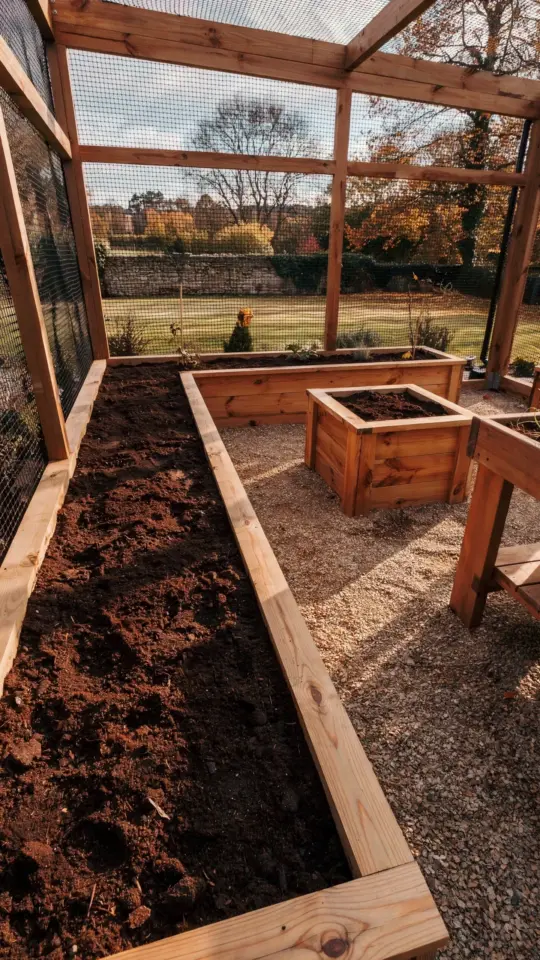
The box of petunias is sitting right there, roots baking in the plastic tray, and you are eyeing the empty bed like a chessboard you are dying to knock over. You want to plant right now, this second, and honestly, that urge is completely valid. But if you are even five minutes into this season and you do not have a layout plan yet, you are about to commit a garden mistake that will annoy you for the next six months. I did it last spring, and I am still side-eyeing a massive sunflower that is currently strangling my basil.
Here is the thing about “ready for planting”: it often means you have bought the plants, but you have absolutely no idea where they are going to live. Skipping the layout plan is the most common garden design mistake I see, right before people dump everything in the ground in a state of panic. It feels productive to dig a hole, but it is actually a recipe for a chaotic, overcrowded patch of disappointment. Let’s fix that before you get your hands dirty.
Why skipping the layout plan is a costly garden design mistake
Look, I get it. The layout feels like a boring administrative task when you could be playing in the dirt. But this garden design mistake is not about aesthetics; it is about survival. When you throw plants in the ground without a map, you plant a six-foot-tall tomato RIGHT next to a low-growing lettuce, and suddenly your salad greens are living in permanent shadow.
That shadow is a real problem, not just a minor nuisance. Plants that do not get enough sun because their neighbor got too tall will stretch out, get leggy, and produce weak, bitter leaves. You spend money on seeds and starts, and you get a pathetic harvest because you made a layout plan (or rather, you refused to make one) that doomed half the bed from day one.
Mapping heights and spacing before you dig (the five minute fix)
Grab a scrap of paper and a pencil. Not a fancy app, not a Pinterest-perfect diagram, just a rough sketch of your garden bed rectangle. Now, take five minutes to draw circles for where you are placing each plant, but here is the catch: draw them at their MATURE size, not their pathetic little starter size.
This is the practical garden planning that actually works. A kale plant that looks like a sad sprig in April is going to be two feet wide and two feet tall by June. That cucumber will send out vines that travel four feet in every direction if you let it. If you do not account for that space, you are setting up a traffic jam of foliage where nothing breathes.
Use the proper tools to measure, or you will be guessing wrong
Ok so, here is a mildly odd detail about me: I have a dedicated tape measure that lives in a waterproof tub by my back door, and it is my absolute favorite gardening tool. Not the fancy pruners, not the ergonomic trowel, but a 25-foot Stanley tape measure that has dirt caked into the numbers. I use it to measure every single bed before I even think about buying plants.
You do not need a degree in landscape architecture to figure out where things go. Just measure the space and write down the actual square footage. Then, when the plant tag says “space 18 inches apart,” you know exactly how many of those you can fit. This saves you from the classic gardener trap of buying twelve varieties of peppers when your 4×4 bed can realistically hold four.
A cheat sheet for creating your garden plan (and fixing it fast)
If you want to keep things simple, look at the back of your seed packets and let them tell you the truth. The nursery label is not a suggestion, it is the contract. Here is a quick way to structure your map so you never get caught out:
– Tall plants (sunflowers, tomatoes, pole beans) go on the north side of the bed so they do not shade everything else.
– Low growers (lettuce, radishes, herbs) live on the south side where they can soak up the morning sun.
– Vining plants (squash, cucumbers) need an edge position so they can trail out of the bed if they get rowdy.
– Root crops (carrots, beets) can squeeze in between slower-growing plants to utilize the space while things fill out.
If you are working with a tiny space, the importance of measuring your actual shadows cannot be overstated. A spot that gets “full sun” in April might be completely shaded when the maple tree leafs out in May. Walk around your yard at different times of the day and actually observe the sun patterns before you commit your plants to a location.
Think about the airflow, unless you want powdery mildew
People get obsessed with sun and completely forget about wind, and that is a garden planning mistake that will bite you in the rear. Good airflow prevents fungal diseases, which is exactly why spacing matters so much. If you cluster your plants too tightly, the moisture just hangs around on the leaves, and boom, you have mold.
I learned this lesson with my zinnias last year. I planted them all jammed together because I wanted that nice, thick look, and by August they had so much powdery mildew that they looked like they had been dusted with baby powder. It was ugly, and it spread to the phlox. A little breathing room would have prevented the entire mess.
Keep a photo of your layout plan for next season
Once you have your plan and everything is in the ground, snap a photo of the map and stick it in a garden journal or just a notes app on your phone. This is not about being a neat freak; it is about remembering what actually worked. Future you will want to know that the corner with the massive dill bush was a huge mistake, so you can rotate your crops and try something else next year.
I promise you, taking those five minutes to map things out is the difference between a garden that produces all summer and a jungle that fights itself. The plan is not rigid, either. You can move things around in the first week if you notice something is off, but at least you have a starting point. Do the planning, skip the mistake, and wait for the petals to open. Now go grab that tape measure, and tell me what you are planting first this season?
Leave a Comment